Story: What life in Montreal looks like
It’s been over two months since I moved to Montreal, Canada, from Vancouver, BC. I enjoy walking around my neighborhood and soaking up the atmosphere.
When I arrived in Montreal in February to look for an apartment, I watched French-language YouTube channels every day. Since moving in at the end of March, however, I’ve been listening to CBC Radio, which is mostly in English. I still can’t speak French, and I sometimes run into trouble at Starbucks and Tim Hortons when the staff don’t understand English.
I know learning the local language is important and shows respect for the community. I believe that anyone living here should learn both French and English. I’ve noticed many people stick to their native language and stay within their own communities, which hasn’t left a great impression on me.
My English is decent, but I’d really like to improve my French for everyday life.
Top 10 Languages by Native Speakers (Approximate % of World Population)
- Mandarin Chinese — ~12%
(China, Taiwan, Singapore) - Spanish — ~6%
(Spain, Mexico, most of Latin America) - English — ~5%
(USA, UK, Canada, Australia, Nigeria, India) - Hindi — ~4.5%
(India, Nepal) - Arabic — ~3.5%
(Egypt, Saudi Arabia, Iraq, Morocco) - Bengali — ~3%
(Bangladesh, India) - Portuguese — ~2.5%
(Portugal, Brazil, Angola, Mozambique) - Russian — ~2%
(Russia, Belarus, Kazakhstan) - Japanese — ~1.5%
(Japan) - Punjabi — ~1.3%
(India, Pakistan)
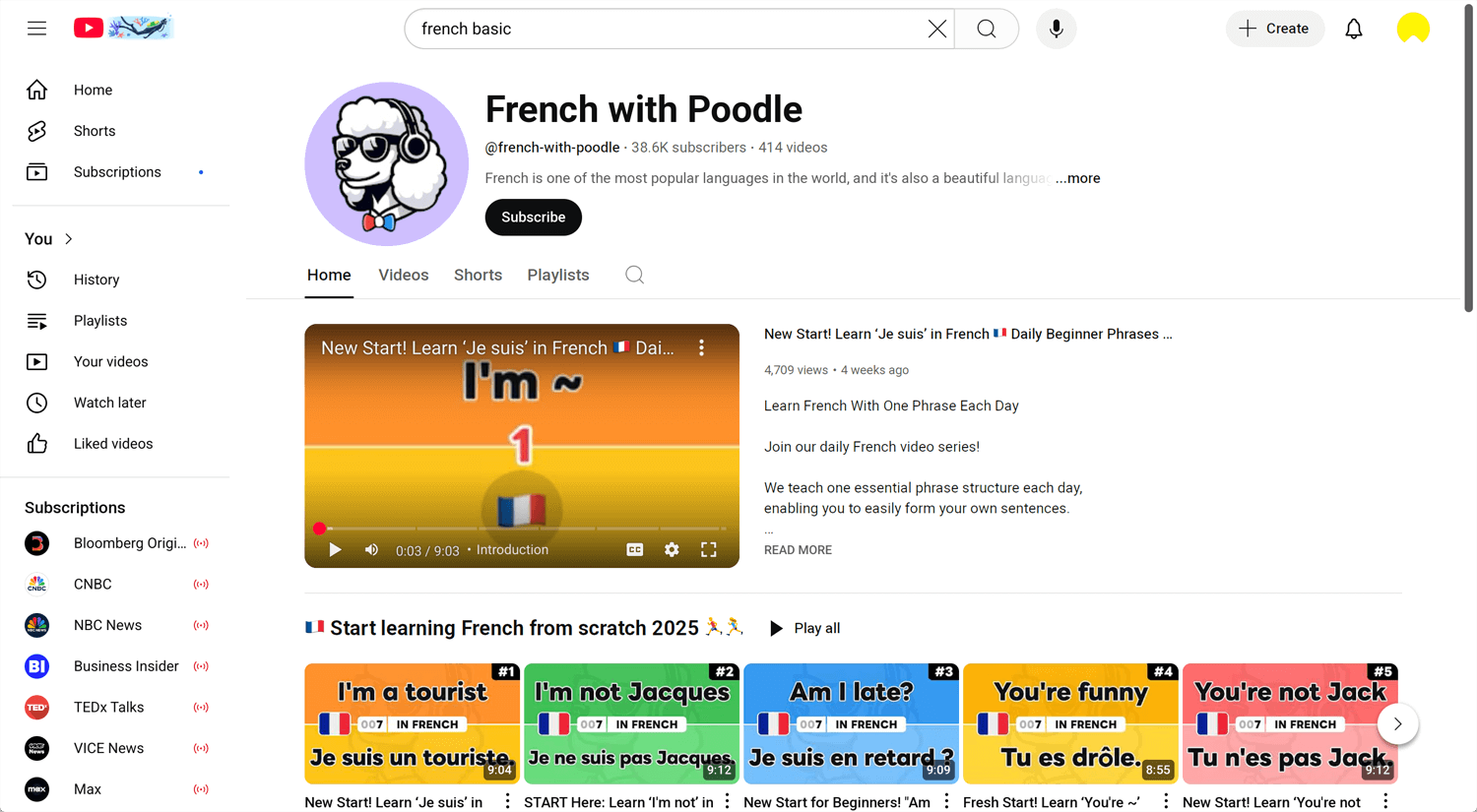
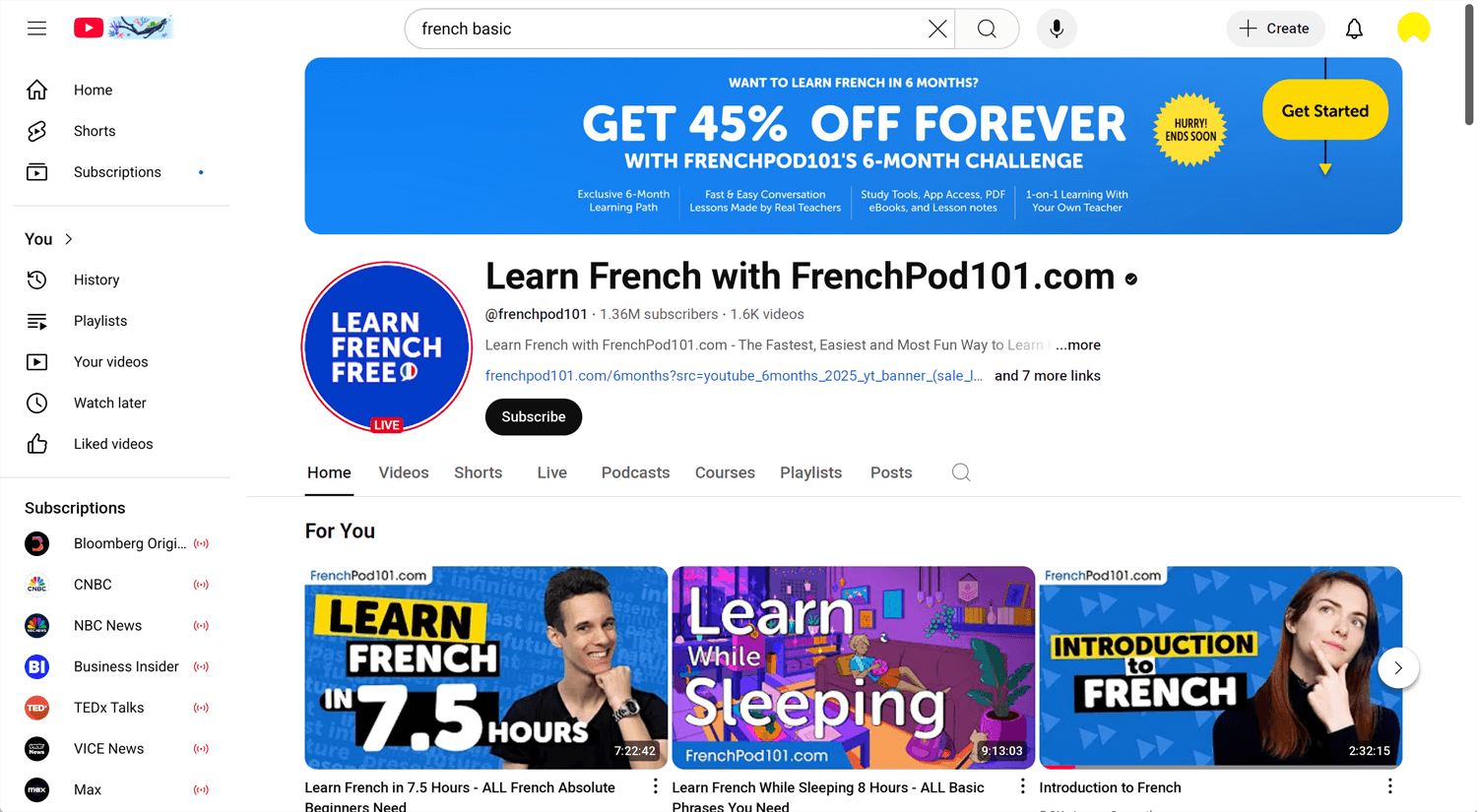
French channels on YouTube
The learning process isn’t always fun, but it shouldn’t feel like torture. Speaking in English while referring to how to say things in French is a basic—but effective—starting point.
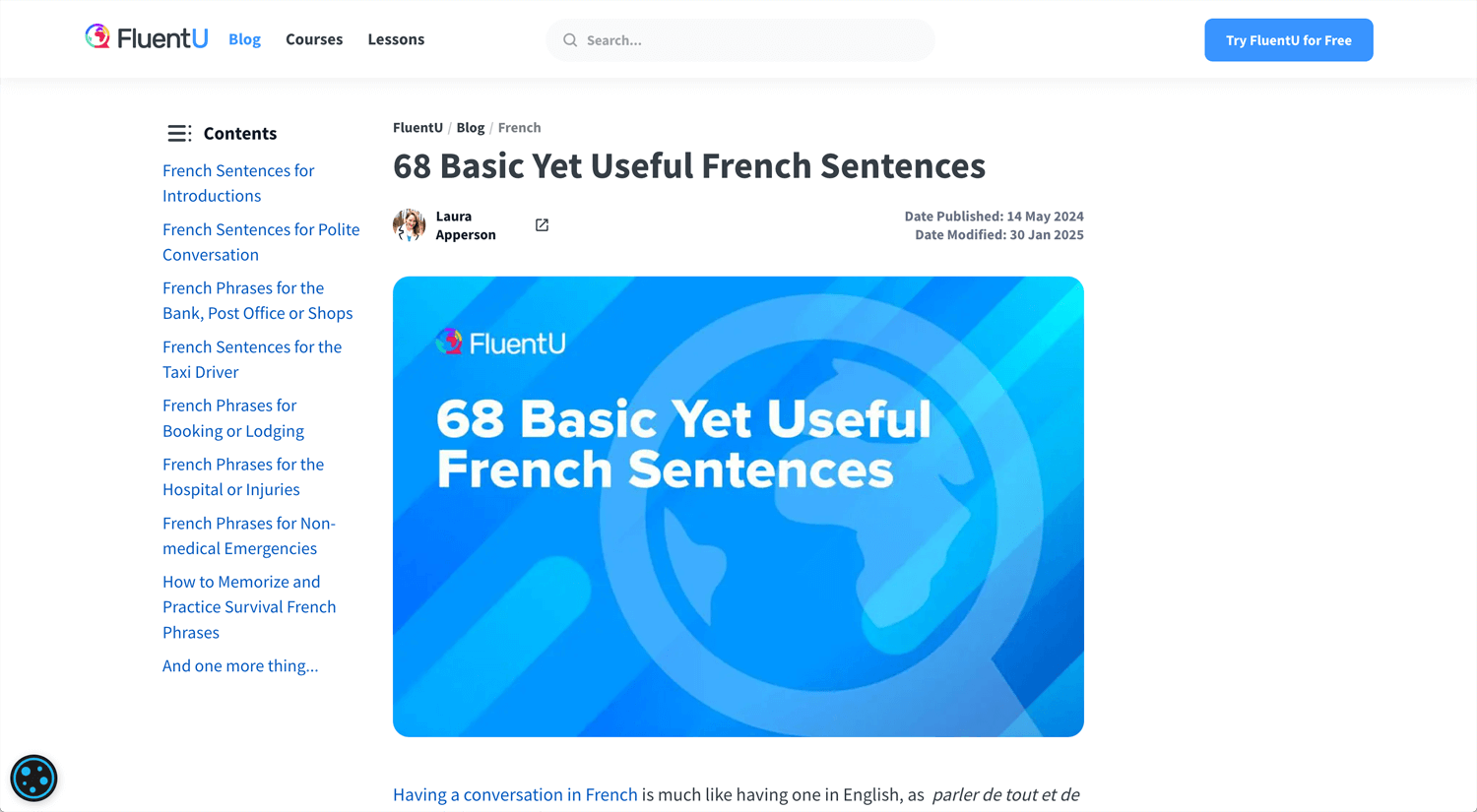
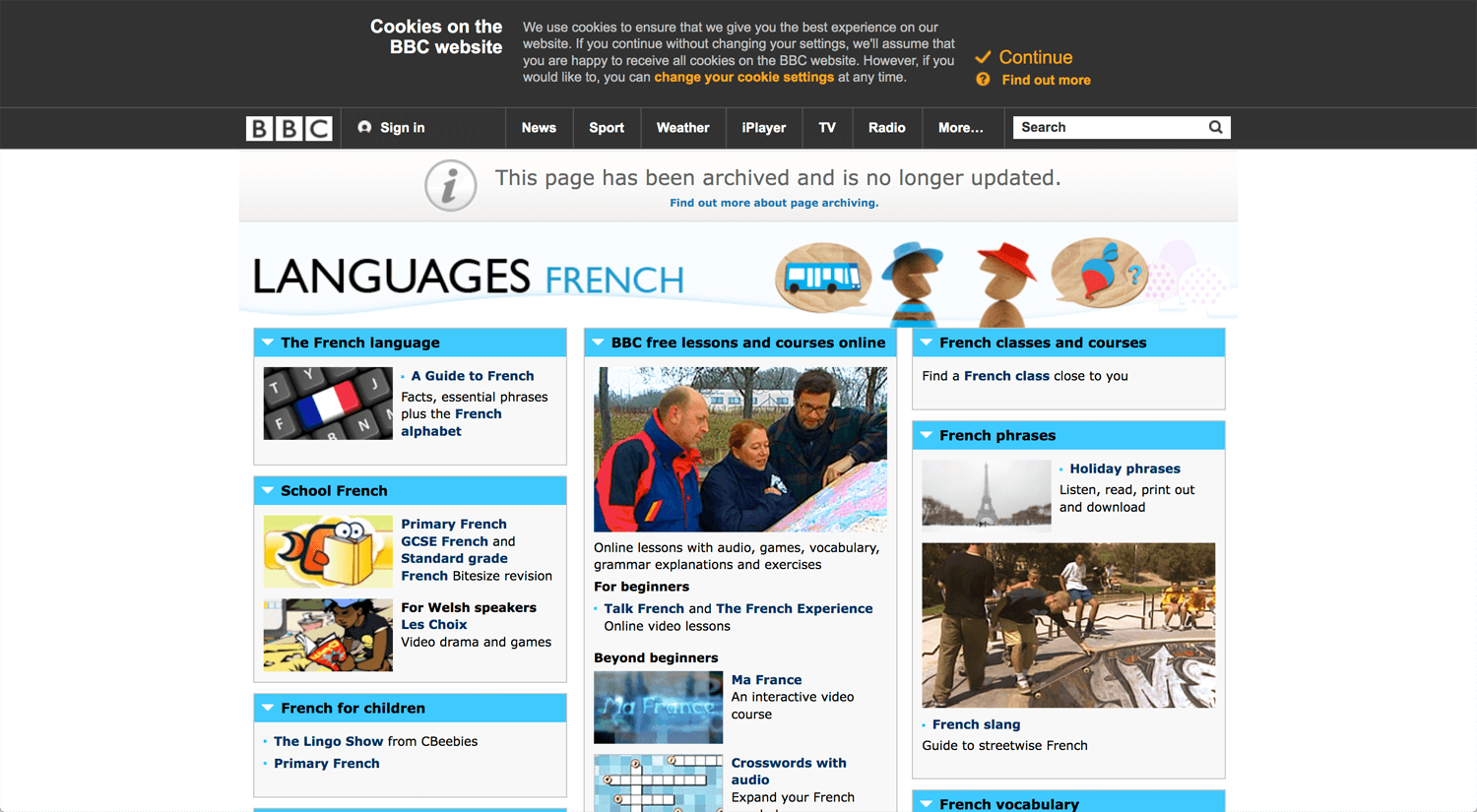
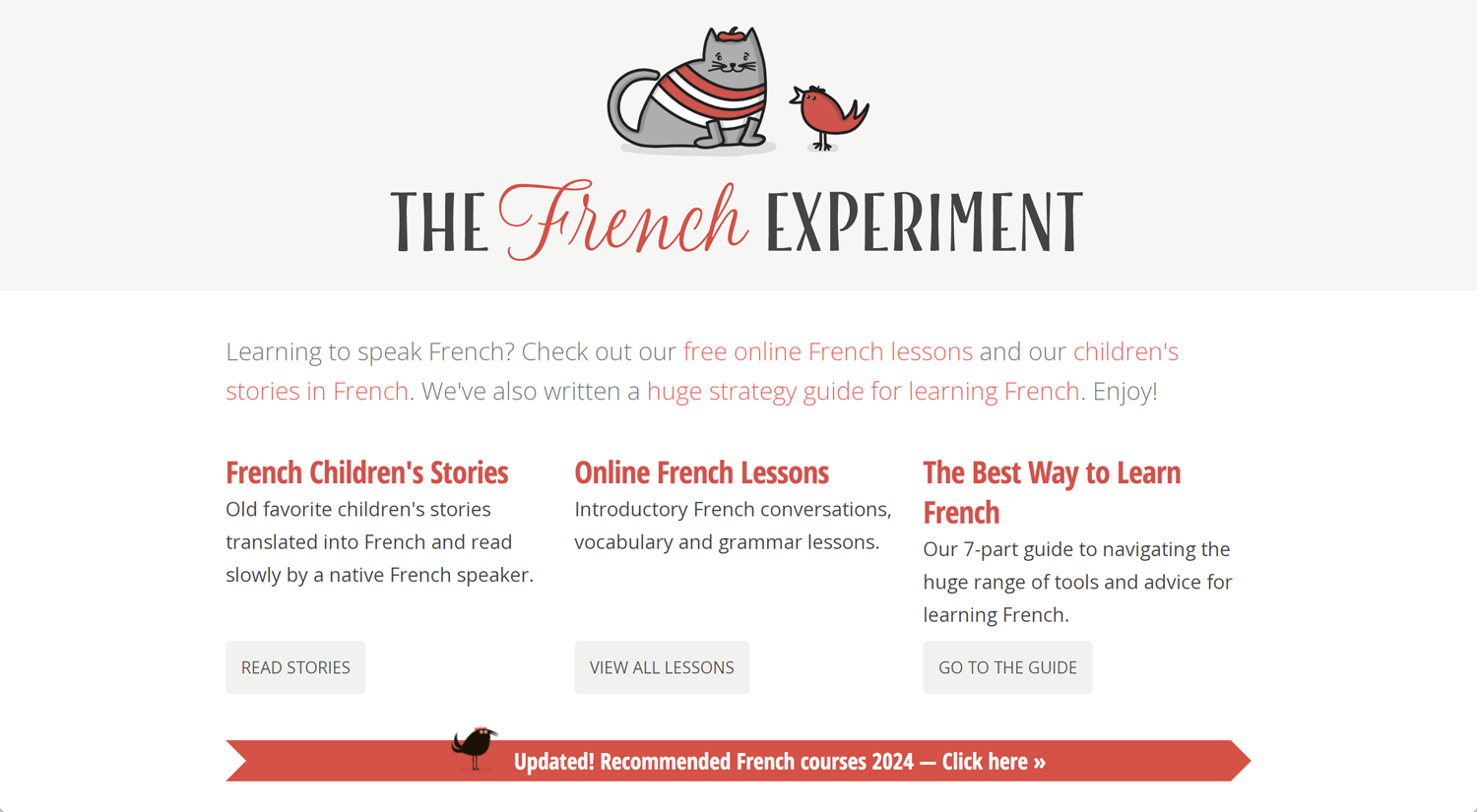
Good websites to learn French
I often see French in the city and have no idea how to pronounce it. Reading might not be the best method for me, but I still believe in passive learning.
Alternative ways to learn French (beyond textbooks)
I learn French by using English explanations combined with clear French audio to understand meanings and sounds. Listening carefully and repeating out loud helps me improve pronunciation and connect words with their sounds. Beginner-friendly apps that speak French slowly and explain in English make learning easier and more effective.
7 Tips to Learn French Faster and Smarter
- Practice Daily, Even if Just 5-10 Minutes
Consistency beats marathon sessions. Short daily practice builds habits. - Focus on Speaking Early
Don’t wait to be “perfect.” Try speaking simple sentences and phrases right away. - Use Bilingual Resources
Read or listen to French with English translations to understand context. - Immerse Yourself
Change your phone or social media to French, listen to French music, watch French shows. - Learn Useful Phrases First
Master everyday expressions like greetings, ordering food, asking for directions. - Don’t Fear Mistakes
Making errors is part of learning. Speak without worrying about being perfect. - Mix Different Learning Methods
Combine apps, podcasts, reading, writing, and conversations to keep it interesting.

Learn French essential phrases
Start speaking French today with our list of the 50 most useful everyday phrases. Each phrase includes its English meaning and an easy-to-understand pronunciation guide—perfect for beginners who want to learn by listening and speaking, not just reading.
| English | French | How It Sounds (Approx.) |
|---|---|---|
| Hello / Good morning | Bonjour | bon-zhoor |
| Hi | Salut | sah-loo |
| Good evening | Bonsoir | bon-swahr |
| Goodbye | Au revoir | oh ruh-vwar |
| See you soon | À bientôt | ah byan-toh |
| Thank you | Merci | mehr-see |
| Thank you very much | Merci beaucoup | mehr-see boh-koo |
| You’re welcome | De rien | duh ree-en |
| Please (formal) | S’il vous plaît | seel voo pleh |
| Please (informal) | S’il te plaît | seel tuh pleh |
| Excuse me (formal) | Excusez-moi | ex-kew-zay mwah |
| Sorry / Excuse me | Pardon | par-dohn |
| I’m sorry | Je suis désolé(e) | zhuh swee day-zo-lay |
| Yes | Oui | wee |
| No | Non | nohn |
| Maybe | Peut-être | puh-teh-truh |
| Okay / Alright | D’accord | dah-kor |
| Of course | Bien sûr | byan syur |
| I don’t know | Je ne sais pas | zhuh nuh say pah |
| I understand | Je comprends | zhuh kom-prahn |
| I don’t understand | Je ne comprends pas | zhuh nuh kom-prahn pah |
| Do you speak English? | Parlez-vous anglais ? | par-lay voo ahn-glay? |
| I speak a little French | Je parle un peu français | zhuh parl uh puh frahn-say |
| How are you? (formal) | Comment allez-vous ? | koh-mahn tah-lay voo? |
| How’s it going? (informal) | Ça va ? | sah vah? |
| I’m good | Ça va bien | sah vah byan |
| And you? (formal / informal) | Et vous ? / Et toi ? | ay voo? / ay twah? |
| What’s your name? (formal) | Quel est votre nom ? | kel ay vo-truh nohn? |
| What’s your name? (informal) | Comment tu t’appelles ? | koh-mahn too tah-pell? |
| My name is… | Je m’appelle… | zhuh mah-pell… |
| Nice to meet you | Enchanté(e) | ahn-shahn-tay |
| Where is the bathroom? | Où sont les toilettes ? | oo sohn lay twah-lett? |
| How much is it? | Combien ça coûte ? | kohm-byen sah koot? |
| I would like… | Je voudrais… | zhuh voo-dray… |
| The check, please | L’addition, s’il vous plaît | lah-dee-syon seel voo pleh |
| Help me, please | Aidez-moi, s’il vous plaît | eh-day mwah seel voo pleh |
| I’m lost | Je suis perdu(e) | zhuh swee pair-doo |
| Can you help me? | Pouvez-vous m’aider ? | poo-vay voo meh-day? |
| Please speak slowly | Parlez lentement, s’il vous plaît | par-lay lon-teh-mahn seel voo pleh |
| Today | Aujourd’hui | oh-zhoor-dwee |
| Tomorrow | Demain | duh-mahn |
| Yesterday | Hie | ree-yehr |
| Now | Maintenant | man-tuh-nahn |
| Always | Toujours | too-zhoor |
| Never | Jamais | zhah-meh |
| Good night | Bonne nuit | bun nwee |
| What time is it? | Quelle heure est-il ? | kel uhr eh-teel? |
| I’m hungry | J’ai faim | zhay fah(n) |
| I’m thirsty | J’ai soif | zhay swahf |
Conclusion: Your French learning journey starts today
Learning basic French as a freelance web and graphic designer in Montreal is more than just a practical skill—it’s a way to connect with clients, colleagues, and the local community. Even if you start with English explanations and focus on listening and speaking, consistent practice will help you gradually build confidence. Using simple, audio-focused resources tailored to your needs makes the learning process manageable and effective.
Remember, language learning is a gradual journey that requires patience and curiosity. By embracing each step—whether it’s ordering a coffee in French or practicing pronunciation—you’re opening doors to richer professional opportunities and a deeper cultural experience in Montreal. Keep practicing, stay motivated, and enjoy the process!